Summary:
How Often Should You Paint Your Home's Exterior in Massachusetts
Your home’s exterior is your first line of defense against New England weather, and Massachusetts conditions are particularly demanding. Most homes need exterior repainting every 5-7 years, but your specific location makes a huge difference.
Coastal properties in Lynn, Salem, and Marblehead face salt air that accelerates paint breakdown. You’re looking at the shorter end of that timeline—closer to every 5 years. Inland homes get a bit more breathing room at 7-8 years between full repaints.
The material matters just as much as location. Wood siding demands the most attention, typically needing fresh paint every 3-7 years in Massachusetts conditions. Vinyl and aluminum siding can stretch 5-10 years, though fading might push you toward the earlier end of that range.
Wood Siding Painting Timeline for Massachusetts Weather
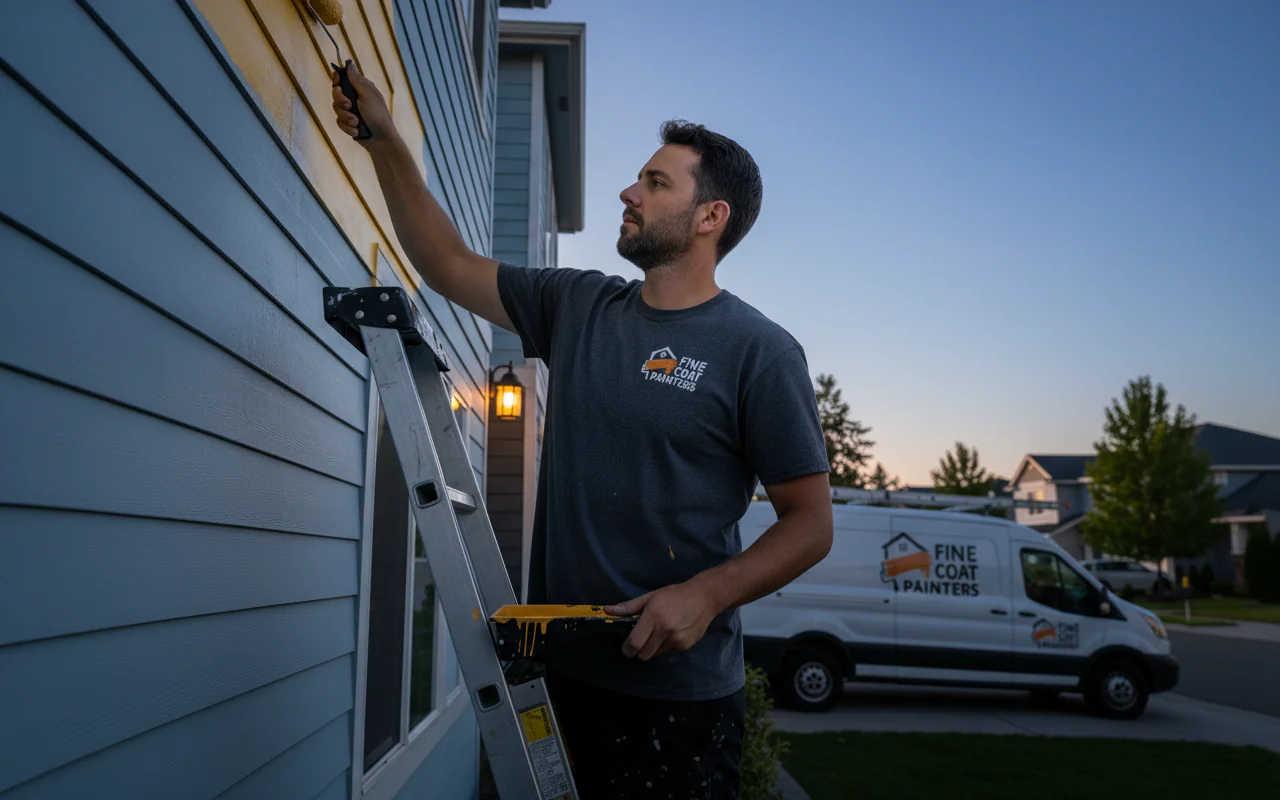
Wood siding takes the biggest beating from Massachusetts weather patterns. The freeze-thaw cycles crack paint, summer humidity causes swelling and shrinking, and coastal salt air accelerates everything that can go wrong.
Plan on repainting wood siding every 3-7 years, with most Lynn area homes falling on the shorter end due to coastal exposure. Quality preparation and premium paint designed for New England conditions can push this toward 7 years, but budget paint jobs often fail within 3-4 years.
Here’s what affects your timeline most: south and west-facing walls get hammered by afternoon sun and weather, often needing attention 1-2 years before other sides of your home. Dark colors absorb more heat and show fading faster than lighter shades. Poor prep work from previous paint jobs creates adhesion problems that shorten lifespan dramatically.
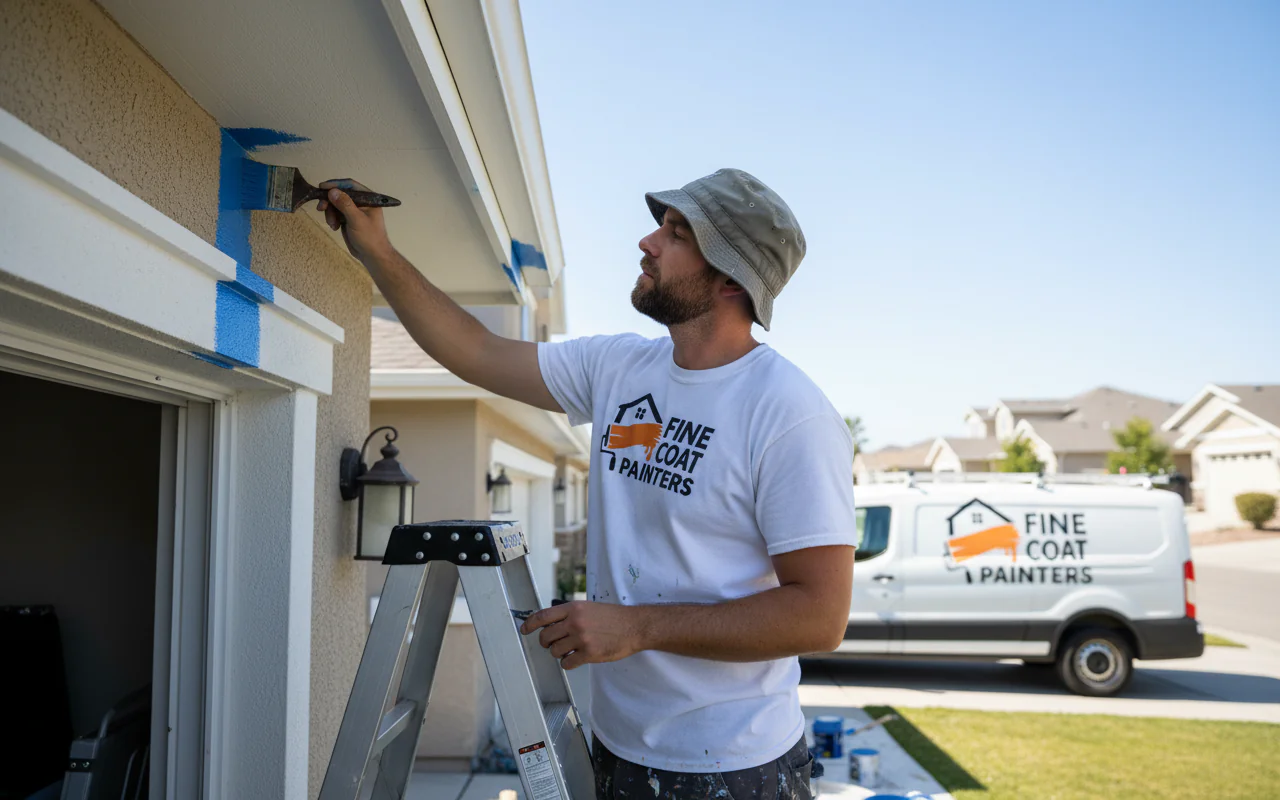
Trim work needs even more frequent attention than siding. Those window casings, door frames, and decorative elements face direct weather exposure without the protection that siding gets from overhangs. Expect to refresh trim paint every 2-4 years to maintain that crisp, finished look that makes the difference between a well-maintained home and one that’s starting to look tired.
The key is catching problems early. Peeling or cracking paint lets moisture penetrate the wood, leading to rot that costs 3-5 times more to repair than a simple repaint. Annual inspections help you stay ahead of expensive damage by identifying problem areas before they become major issues.
Vinyl and Aluminum Siding Maintenance Schedule
Vinyl and aluminum siding gives you more breathing room between paint jobs, typically lasting 5-10 years in Massachusetts conditions. But “lasting” doesn’t always mean “looking good”—and that’s where most homeowners get caught off guard.
Fading happens faster than failure, especially on south and west-facing walls that get hammered by afternoon sun. Dark colors show fading more obviously than lighter shades, which explains why many Massachusetts homeowners choose lighter exterior colors that age more gracefully.
Aluminum siding develops its own unique problem: chalking. That powdery residue that comes off when you touch the siding isn’t exactly paint failure, but it makes your home look tired and dated. Professional washing followed by a fresh coat of paint designed specifically for metal surfaces brings it back to life and can last 8-12 years with proper application.
Vinyl siding rarely needs painting unless it’s already been painted or you want to change colors entirely. Most vinyl is engineered to maintain its color throughout its 20-30 year lifespan. However, if you do decide to paint vinyl, use paint specifically formulated for vinyl surfaces to prevent adhesion problems that cause peeling within a few years.
Climate plays a bigger role than most people realize. Coastal Massachusetts homes deal with salt spray that accelerates fading and breakdown of any painted surface. Inland properties avoid the salt but still face temperature extremes that cause expansion and contraction stress on painted surfaces.
The bottom line for Massachusetts homeowners: inspect your siding annually and plan for repainting when fading becomes noticeable, typically every 5-7 years for coastal properties and 7-10 years inland.
Want live answers?
Connect with a Fine Coat Painters expert for fast, friendly support.
Interior Painting Schedule for Massachusetts Homes
Interior painting schedules depend more on daily use than weather, but Massachusetts humidity still affects how long your paint job looks fresh. Most main living areas benefit from fresh paint every 3-5 years, while low-traffic spaces can easily go 5-7 years.
The rooms that get the most action need the most attention. Kitchens deal with cooking grease, steam, and constant activity. Bathrooms face humidity spikes twice daily plus cleaning products and moisture. These high-use areas typically need refreshing every 3-5 years, even with quality paint.
Trim work throughout your home shows wear faster than walls because it gets touched, bumped, and scuffed regularly. Door frames take abuse from moving furniture, baseboards get kicked and scraped, and window trim collects dust and fingerprints. A fresh coat of trim paint every 2-4 years keeps everything looking sharp and well-maintained.
High-Traffic Areas and Special Room Considerations
Your hallways, stairwells, and kids’ rooms take more abuse than formal living spaces, and it shows in how quickly the paint starts looking worn. These high-traffic areas reveal scuffs, fingerprints, and general wear much faster than a guest bedroom or formal dining room that sees occasional use.
Plan on repainting high-traffic areas every 3-4 years, or invest upfront in scrubbable paint that lets you clean walls instead of repainting them every few years. Semi-gloss and satin finishes hold up better to regular cleaning than flat paint, making them smart long-term choices for busy areas of your home.
Children’s rooms deserve special planning. Between crayon marks, sticker residue, and general kid chaos, these spaces often need touch-ups or full repaints every 2-3 years. Washable paint formulations make your life much easier, letting you clean off most marks without breaking out the paint brush for constant touch-ups.
Bathrooms present unique challenges in Massachusetts’ humid climate. Moisture from daily showers creates perfect conditions for mildew growth and paint failure, especially if ventilation is poor. Use bathroom-specific paint formulated to resist moisture and mildew, and run exhaust fans during and after showers to extend your paint job’s life. Most properly done bathroom paint jobs last 5-7 years with adequate ventilation.
Don’t overlook your basement when planning interior painting schedules. Massachusetts basements deal with humidity year-round, plus potential moisture issues from foundation settling or minor water infiltration. Moisture-resistant paint helps extend the timeline, but address any water problems before repainting or you’ll be redoing the work within a year or two.
Ceilings and Low-Traffic Space Maintenance
Ceilings get the easiest life in your home, which means they can go the longest between paint jobs. They’re not touched by hands, rarely get dirty beyond dust accumulation, and don’t face the daily wear that walls endure. Most ceilings can go 10+ years between paint jobs unless you have specific problems like water stains or smoke damage.
Water stains from roof leaks or plumbing problems require immediate attention, but here’s the critical part: fix the source first or the stain will bleed through fresh paint within months. Ceiling stains often need special stain-blocking primer before topcoating to prevent the discoloration from returning.
Guest bedrooms, formal dining rooms, and other low-use spaces can comfortably stretch 5-7 years between repaints. The paint doesn’t actually wear out in these rooms—you typically repaint because you get tired of the color or want to update the look during a whole-house refresh.
Closets almost never need repainting unless you’re doing a complete home renovation. The lack of light exposure and minimal handling means closet paint can last decades in most cases. The exception is walk-in closets that get heavy daily use and might show wear on walls from hangers and clothing contact.
Massachusetts humidity affects interior paint differently than exterior exposure, but it still matters for longevity. Homes without adequate ventilation throughout may see paint problems sooner, especially in naturally humid areas like bathrooms, basements, and laundry rooms. Good ventilation systems extend paint life throughout your home by preventing moisture buildup that leads to mildew and adhesion problems.
Best Timing for Painting Projects in Massachusetts
Massachusetts gives you a limited but predictable window for exterior painting —typically May through October when temperatures stay consistently above 50°F and humidity levels cooperate with proper paint curing. Spring and fall often provide ideal conditions, with moderate temperatures and lower humidity that help paint flow smoothly and cure completely.
Interior painting can happen year-round, making winter an excellent time to refresh inside spaces while you’re spending more time indoors anyway. Many professional painters offer better scheduling flexibility and sometimes better pricing during their slower winter months when exterior work isn’t possible.
Planning ahead saves both money and stress. Most reputable painting contractors book their spring and summer exterior work months in advance. If you’re considering exterior painting, start getting estimates in late winter for the best selection of contractors and optimal scheduling. Quality preparation and professional-grade materials matter more than painting frequency—a properly prepped surface with premium paint lasts significantly longer than rushed work with budget materials. When you choose us for your Massachusetts home, you’re investing in thorough preparation and weather-resistant systems that extend the years between repaints while protecting your investment through every season.